Introduction
The psychological component of the threat to cybersecurity is one of the most dangerous today in the era of the digitalization of many spheres. The ability to identify social engineering attack has never been as pertinent in the past.
These are the attacks that use human behavior rather than weaknesses in software. Being familiar with the early signs, one will be able to secure his/her personal data and avoid security breaches. This paper discussion the way social engineering operates, usual methods and precautions.
What is Social engineering Attack?

A social engineering attack is used to influence human beings and make them divulge confidential information. It does not need technical abilities like the hacking. As opposed to this, it is based on deception and trust. The aggressor always pretends to be a trustworthy person, a colleague, tech support, even a friend.
The aim is to lure the target into handing out passwords, access or unconfined information. Such an approach works due to the fact that it appeals both to emotions and human nature.
The reason Social Engineering works so well
People tend to believe quite easily. Based on this trust, social engineers exploit it to their benefit. They manipulate their victims through urgency, authority or fear. As an illustration, a phony email by a boss that requires a prompt action can result in panic. Individuals tend to lack critical thinking when they are stressed. That is why to be able to detect a social engineering attack, one does not only need technical information, he or she must be aware of this possibility.
Psychological Tricks of the Attacks
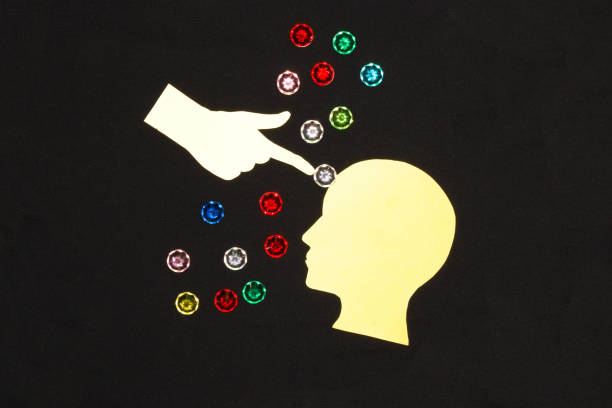
Assailants tend to employ subliminal psychological tricks. They create a trust slowly or make concluding decisions through a sham of emergency cases. There are emotional associations such as fear or curiosity that are common. They may state that your account has been compromised or give you an offer you cannot resist. Once they hook you, they request your login information or make you to click on links that would harm your computer. Those are also emotion tricks that should be avoided by being able to identify them.
Social engineering methods Typical attack avenues
Social engineering may occur in very numerous forms. All of them are used through emails, phone calls, text messages and social media. What characterizes these attacks are that they begin with an innocent looking message. As an example there may be an email sent by your bank requesting to verify information.
The Red Alerts You Can Not Ignore
An attack can be detected by availing several red flags. Doddling demands of confidential information, desperate language or unfamiliar attachments are the indicators. A person you do not know well and who interrogates you a lot concerning the place where you work might be probing to find entry points. They are suspicious grammar or unusual email addresses as well. Be guided by your intuition, when something appears not to flow, it is not. Familiarize yourself with the practice of checking requests.
The Ways Attackers Get the Information
Often, attackers start off by researching their targets. Social media, company websites, and the profiles of people are useful sources of information. This is referred to as open-source intelligence (OSINT). They consider this data in order to sound convincing. They may refer to your manager name or your latest project. This makes the message look genuine. Being aware of all personal information displayed in a public arena is an effective means to counter social engineering.
Social Engineering at the Workplace
The companies are soft targets. Workers usually deal with confidential information systems and customer files. The scammers impersonate workers by using false invoices or internal company memos to induce workers. Risk mitigation can be achieved by training employees to identify a social engineering assault. Simulations and awareness may be conducted on regular basis to prepare teams on real scenarios. The most sound defense is a cautious and informed workforce.
The The Role of Cyber Hygiene
Prevention is also here in terms of good cyber hygiene. It can be done by using strong passwords and adopting two-factor authentication and software frequent updates. Still, human awareness is the initial defense. Insist on authentication of names before exchange of information. When doubtful go directly to the person or company officially. A simple step of performing checks can avoid huge breaches.
Fall-in-Love With an Attack in the Real World
Social engineering has caused a lot of losses in many companies and to many individuals. With only one accidental click or a misplaced confidence, one can lose data, money and make a dent in his or her reputation. It may take months, or years to recover. This is why it is very essential to detect a social engineering attack early. Canvassing is much less expensive compared to repairing the damage created subsequently.
Remaining on Top of Emerging Threats

Attackers never think the same way. Last year what worked may not work today. This is why constant learning is important. Follow cybersecurity news, take a course and keep yourself up to date. Promote security culture in both the work place and home. The more we know about the mechanism of social engineering the more we can avoid it and prevent it in others as well.
Conclusion
The aspect of social engineering attacks is increasing in the digital sphere. They appeal to human communication and skillful psychological control instead of hacking tools. The most important thing that helps to protect information and trust is to learn to identify a social engineering attack in time.
Always remain vigilant, ask questions and be careful whenever acting based on any request. You can find the solution to security issues on the internet: awareness is power, and it is the best shot at defense.