


Introduction
In our case study, we will take a closer look at a real-life experience of how one phishing message prompted a devastating cyberattack. The incident did not only collapse an entire network, but also resulted in a long term harm in the company operations. This case shows what a just little error may lead to big-scale effects. A wake-up call to Businesses both large and small to reconsider their cybersecurity measures.
A Sunny Day Which Became a Mess
One day it started like all other days. Workers entered their computers and started checking their mail. One of them was a purported innocuous message from a familiar vendor. It had a subject line of invoice processing. The message appeared to be a professional and familiar one. Nothing was thought to be out of the ordinary. One of these employees opened the mail and clicked on the attachment.
The Trap Phishing Email
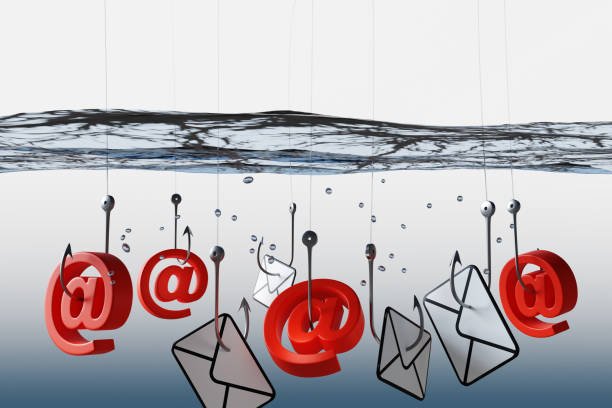
The randomness of this phishing email is nonexistent. It was a spear-phishing attack. The hackers were well prepared. They faked the handle of a real sender and wrote using internal jargon to make it look genuine. After one has opened the attachment, it silently installs malware. The virus was speedy. It opened a backdoor in the system that could not be perceived, providing the attackers with complete access.
A Fast Infection of the Company Network
The malware did not remain restricted to a single machine. It was made to shift sideways. In hours, it spread to other devices within the same network. Connection to the servers was abused. Admin privileges were hacked. Within hours, less than 12 to be precise, the intruders had control of the whole internal system. Workers were unable to log in. The data was encrypted. The net was gripping.
Slow Response

IT administrators had no idea of the compromise initially. It was small at the beginning, with some tired systems, inconvenient logins, and small bugs. When alerts occurred, the damage became severe. Efforts to eject infected systems did not work. There were backup servers, which had been compromised as well. The breach in this network showed the potential for a crisis worsening as a result of a lack of a proactive monitoring system.
The business activities stalled completely
When the systems went down, all essential operations were disrupted. The deadline for emails has passed. Financial programs ceased working. Customer information was unreachable. The firm was forced to close down. Workers were dismissed. Retrospective information about delays was shared with partners. The company lost weeks of operations and the cost was tremendously enormous. The full reconstruction of operations took months.
The Human Mistake in the Attack
According to this case study, the human component is still the weakest link in cybersecurity. With antivirus tools, firewalls, and whatnot, it needed only a single click to turn off any measure. The employee who responded to the phishing email had received no training in the past. No phishing drills or warnings were done. This tragedy would have been averted by a mere sensitization programme.
Forensic Investigation Unveils the Whole Picture
As soon as the recovery efforts started, Forensic cybersecurity professionals were summoned. They examined server logs and traced the location where the malware entered. They affirmed that the attackers used a keylogger and an advanced remote-access tool. The virus was also ransomware. The hackers demanded their ransom to get critical files using cryptocurrency. The company did not want to pay but opted to rebuild the systems.
What We Have Learned and What May Happen in the Future
This case study provides important information. It first emphasized the necessity to periodically train employees about phishing threats. Second, it emphasized multi-layered defenses. Third, it was focused on real-time surveillance and threat recognition. Since then, they have adopted new cybersecurity policies within the company. They implemented endpoint detection software and carried out awareness campaigns, and revised their incident response procedures.
The costs of rebuilding trust

The company incurred reputational damage even following technical recovery. Clients were concerned about their data. There were calls to explain by stakeholders. Word of the cyberattack spread on social media, to the detriment of the perception. Legal professionals were engaged to ensure that the rules of data protection were adhered to. They required a year of transparency and trust-building processes to win back customer confidence.
Conclusion
Overall, this case study depicts that there is no immune organization. Even one phishing email can ruin the most sophisticated systems. Cybersecurity is a serious discipline rather than considered secondary. Business organizations should be ready in advance. The only protection that comes to mind in the era of digital is awareness, vigilance, and quick response.



Pingback: Top 5 Cyber Threats Targeting Small Businesses in 2025 -