

Your Wealth Is a Prime Target in the Digital Age. In today’s increasingly digitized world, your money is no longer just in banks. It resides in the cloud, on apps, and across platforms. From mobile banking on your fingertips to cryptocurrency investments, convenience has reshaped the concept of personal finance. As financial services become more technology-driven, the associated risks have also increased.
Cybercriminals are no longer focusing exclusively on corporations; they are now targeting individuals, fintech platforms, and everything in between. According to IBM’s Cost of a Data Breach Report, financial institutions are among the most targeted industries, with the average breach costing over $5.97 million. These figures more than just corporate losses; they can also affect your investments, savings, and overall financial peace of mind.
So, how can you stay one step ahead of digital threats? Whether you’re an investor, a financial advisor, or simply someone managing your accounts online, this guide covers actionable strategies that will help you protect your financial well-being in the digital age.
Understanding the Threat Landscape
1. Phishing & Social Engineering
Gone are the days of crude scam emails. Today’s phishing attacks are highly personalized and convincing. Hackers pose as your bank, a financial advisor, or even a government agency. A single click can grant them access to sensitive financial data.
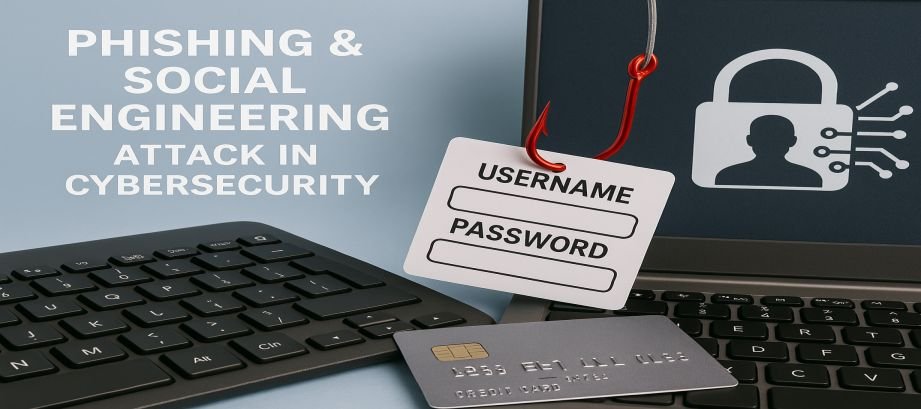
Tip: Always verify the sender’s email, avoid clicking unknown links, and use anti-phishing browser extensions.
2. Ransomware Attacks
Financial data is incredibly lucrative. Cybercriminals use ransomware to lock your files and demand payment in exchange for access. These attacks are especially dangerous for businesses like financial advisors or accounting firms and in other words proves very costly.
Tip: Backup your data regularly, and never store important documents in unprotected local folders.
3. Identity Theft
With enough personal data, fraudsters can open credit lines, file false tax returns, or even drain investment accounts. Identity theft is one of the most damaging and hard-to-reverse threats to your financial life.
Tip: Monitor your credit report regularly and freeze it if you’re not actively seeking new credit.
4. Insider Threats
Not all attacks come from the outside. Besides this the most important is disgruntled employees or compromised staff accounts within financial firms can also lead to significant losses.
Tip: If you’re a business owner, you should know to implement strict access controls and review permissions periodically.
Cybersecurity Strategies for Financial Services
1. Use Strong Authentication Protocols
Multi-factor authentication (MFA) is no longer optional. Enabling MFA on all financial accounts adds a vital layer of security, ensuring even stolen credentials aren’t enough to access your funds.
Bonus Tip: Use app-based authenticators like Google Authenticator or Authy instead of SMS, which can be intercepted.
2. Choose Reputable Platforms & Apps
Stick with financial platforms that prioritize cybersecurity. Look for signs like:
- Encrypted connections (https://)
- Transparent privacy policies
- Regular security audits
Read user reviews and avoid lesser-known apps that lack security credentials.
3. Keep Software and Devices Updated
Security patches close vulnerabilities that hackers love to exploit. Set your devices and applications to update automatically. Therefore, don’t ignore those ‘Remind me later’ prompts because they appear for a reason.
4. Enable Real-Time Alerts
Most banks and financial services allow for transaction notifications via SMS or email. These alerts can help you detect fraud the moment it occurs, giving you a better chance of stopping it.
5. Use a Password Manager
Don’t reuse passwords, and stop trying to memorize 20 complex ones. Tools like Bitwarden or 1Password store and generate secure, unique passwords for every account.
6. Secure Your Wi-Fi & Use a VPN
An unsecured network is like leaving your front door wide open. Therefore, use Wi-Fi Protected Access 3 (WPA3) encryption which is the latest security protocol developed by the Wi-Fi Alliance to protect wireless networks. It improves upon its predecessor, WPA2, with stronger encryption and enhanced protection against various types of cyberattacks. Similarly, ensure WPA3 encryption on your router and consider a VPN when accessing financial information on public networks.
7. Be Cautious with Cloud Storage
Avoid storing sensitive financial documents in unprotected cloud folders like Google Drive or Dropbox. If you must, use encrypted storage services and enable MFA on your cloud accounts.
8. Conduct Regular Security Audits
Review your financial accounts, devices, and security settings monthly. It’s a great way to catch unauthorized access or spot lapses in protection.
How Businesses in Finance Should Fortify Their Cybersecurity
Financial Advisors, CPAs & Wealth Managers: You Are Targets Too
Handling client data means your systems must be ironclad. Here’s what you should do:
A. Invest in Enterprise-Grade Firewalls & Antivirus
Free software won’t cut it. Go for trusted names like Bitdefender, Sophos, or Norton Business.
B. Employee Training
Train your staff on recognizing phishing emails, proper password hygiene, and safe browsing habits.
C. Secure Client Communications
For the sake of added cybersecurity for financial services, always use end-to-end encrypted messaging apps or secure client portals rather than standard email.
D. Incident Response Plan
Have a detailed playbook in place for when (not if) a breach happens. It should include:
- Who to contact (IT, clients, law enforcement)
- How to contain the breach
- Steps for recovery and transparency
Key Insights about Cybersecurity for Financial Services
Below table summarizes Cyber protection strategies for financial firms
| Strategy | Why It Matters | How to Implement |
|---|---|---|
| Multi-Factor Authentication (MFA) | Blocks 99.9% of unauthorized access | Use app-based authenticators on all accounts |
| Real-Time Alerts | Immediate fraud detection | Enable SMS/email notifications from banks |
| Password Manager | Prevents password reuse and hacks | Tools: Bitwarden, 1Password, Dashlane |
| Software Updates | Closes security vulnerabilities | Enable auto-updates on all devices |
| VPN Use | Secures data on public Wi-Fi | Use ProtonVPN, NordVPN, etc. |
Real-Life Example: How One Click Nearly Cost a Fortune
Meet Rachel, a successful freelance financial consultant. One evening, she received an email claiming her accounting software needed urgent verification. The branding looked legit, and the email even referenced a recent update she had installed. Without thinking, she clicked the link and logged in.
By morning, her PayPal account had been drained, and client files were accessed. It took weeks to recover. The lesson? No matter how savvy you are, cybercriminals are always refining their tactics. Vigilance is non-negotiable.
Cybersecurity Is Wealth Protection
To recapitulate, your financial life is no longer confined to vaults and paper statements. It’s online, in the cloud, and potentially vulnerable to a growing array of cyber threats. Whether you are managing personal wealth or running a financial service business, the right cybersecurity strategies for financial services to prtoect your own or your clients’ wealth are essential.
By implementing strong authentication, using trusted tools, staying updated, and staying aware, you can dramatically reduce your risk. It’s not about fear rather it is about control, confidence, and smart digital hygiene.
Are your cybersecurity practices up to date? Share your experiences below or subscribe to our newsletter for more expert tips on protecting your digital wealth. Stay secure, stay informed.




Pingback: Online Risks and How to Protect Your Digital Identity -