

Introduction
Today, we discuss Online Privacy. Keeping information private on the internet is a major priority nowadays. The information we share on social media, bank websites, and digital apps can be easily collected and may be misused.
For newbies to security, knowing data privacy may seem challenging, but it is entirely manageable with the right approach. Nevertheless, knowing just a little and following certain steps is enough for anyone to manage their digital profile.
What Do We Mean by Online Privacy?
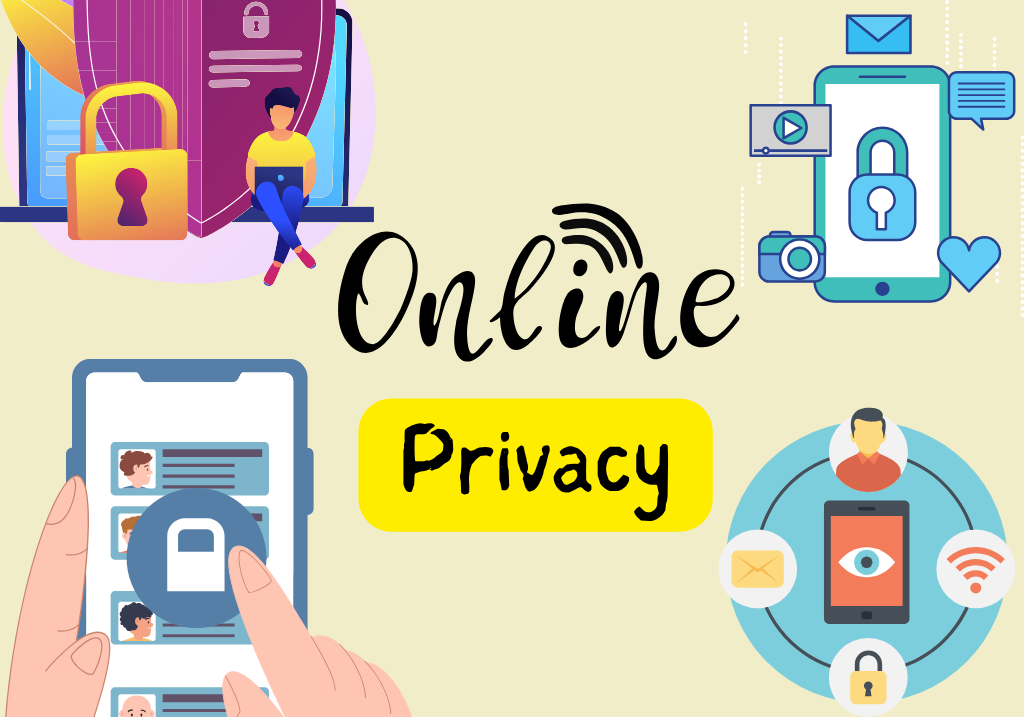
Online privacy deals with shielding your personal data when you use the internet. All your activities, such as sharing data online and visiting certain pages, also fall under your digital footprint. Every time you check the web, send an email to someone, or open an app, you are creating data. Both government organizations, companies, and even hackers are able to collect that data. In short, online privacy is like what you do in real life, where you maintain your personal space and boundaries
Getting to know online privacy is the basis for safer use of the internet. It is your right and ability to know what information you share, how it is to be used, and who can access it. What you do should not be kept a total secret. It is the process of making smart decisions about who gets access to your data.
The reasons why online privacy is important
Most people do not realize how important online privacy is. Many people think their data is safe since they haven’t committed any mistakes. However, online threats can affect anyone, not only people who break the law or are famous. Anyone can develop a problem from the use of drugs.
Users’ information is collected by companies form profiles and offers specific advertisements. Thieves in the digital world steal people’s identities and private information to make money. Your internet company is also capable of seeing what you do online. When you do not use security, your private data could be exposed.
When you are online, you can decide how much of your data is seen. You are the one who has to determine which items to publish and who gets to see them. Your privacy is also protected from online tracking, spam, and being watched. Keeping your information secure guarantees your rights and allows you to relax.
Processes for the collection of personal data
Whenever you use the internet, your interactions generate a certain kind of data. Your keywords are kept by Google whenever you search for something. The information about what you like is saved whenever you shop on the internet. The location of your device can also be followed by those who want to access it.
Cookies help collect a lot of information about you. They save your details and keep a record of things you do on websites. Social media sites gather a lot of your information, including the subjects you like, your friends, and how you behave.
A lot of apps have the option to use your contact list, pictures, or microphone. Failing to pay attention to the permissions can make you hand over more data than you intend to share. Most people usually agree to terms and conditions without checking the details, making it possible for companies to share their data frequently.
Many Dangers of Having Private Online Data
There are more cases of data breaches. Hackers are able to access systems that keep emails, passwords, and credit card numbers. Some breaches occur without anyone noticing until the consequences appear.
Phishing is something else that could harm you. Scammers send fake emails that make people reveal information they shouldn’t. Malware can infect your computer can get infected by malware even if you do not notice it. Viruses are capable of recording everything you do on your computer, seeing your actions, and even locking your important files.
Wi-Fi that you find in public places can be risky. Encryption is necessary to prevent others on the network from getting your data. Because of these threats, sticking with good online privacy behaviors is essential, as it happens every day.
Some Ways You Can Keep Your Information Private
You do not need advanced skills to keep your data safe. The first step is to use special passwords for all your accounts. Use a separate password for every site you use. It is a good idea to rely on a password manager to take care of your login details.
Activate two-factor authentication (2FA)whenever this feature is available. It makes your accounts even safer. A person who gets your password is still unable to log in without the OTP code sent to your phone, for example.
Regular updates are important for your software. There are regular security patch updates in operating systems, browsers, and applications. Missing out on these updates increases the chance of your device being attacked by unknown hackers.
It is possible to use inprivate modes to stay safe while surfing the web. The browsing tool does not make you fully invisible, but it hides clicks and cleans your history after every visit. You may also change your browser settings to stop third parties from leaving cookies on your computer.
Methods That Keep Your Information Private on the Internet
Virtual Private Networks, or VPNs, help protect your privacy very well. Your web connection is encrypted by a VPN so your IP address remains hidden. This means it becomes harder for anyone trying to follow your steps and location. In addition, it shields your personal information when you use public Wi-Fi.
You can also opt for a browser that is designed to protect your privacy. Some browsers are set up to avoid showing ads, trackers, and scripts automatically. These features provide better safety for your data even if you aren’t tech-savvy.
Encrypted apps for messaging are very important as well. They use top-level cover to stop anyone from reading your exchanges. Only the two people involved in the conversation can look at the messages, and not even the app provider.
You can use search engines that make your privacy their top priority. Unlike common search engines, such alternatives don’t keep your information or make any user profiles for you.
Privacy within the world of Social Media
A lot of people’s data is exposed on social media. Any picture you post, reaction you give, or comment you make impacts your online record. All your personal messages can be reviewed or saved by the company.
Go through and check your privacy settings on a regular basis. You can decide which people can view your posts, put you in tags, or send you messages. Do not include a lot of personal details in your bio or profile. Be sure to check with someone before adding a friend you don’t know from strangers online.
Make sure you stop and think before you post something online. Even after deleting, it could be possible that your information was saved or shared before it. Whenever information is moved to the internet, it’s nearly gone forever. Keeping your information private online requires you to be careful when using social networks.
Giving digital consent in health care
Digital consent requires you to approve the way your data can be used. A lot of websites ask before using cookies. However, these demands are usually not clear enough.
Make an effort to go through the details of the law if it is possible. If an option is available, decide to block cookies that aren’t needed. A few tools make it possible to choose what kind of data you feel is safe to share.
It is important to give consent when starting a new service. Make sure that the platform does not pass your data to other companies. Turn off any data collection tools whenever you have the chance. Giving yourself the power to consent can help you hide your personal data unnecessarily.
Creating an emphasis on privacy in your actions
There are many sides to online privacy besides the tools and settings we use. It helps you make habits that protect your private information and personal belongings. Having a privacy-first approach means you should pause before going ahead with any of these activities.
Be wary of emails, anything attached to them, and the links they contain. Check to see where the email comes from before deciding to open it. Always try to visit websites that have HTTPS in the website address. Be careful not to share too much information, regardless of who the platform is.
Teach your family members or friends about being careful with their privacy. If you are a parent, inform your children about how to behave safely online. If you have a role in a business, make sure to support digital ethics and proper use of data. A community’s involvement strengthens a person’s privacy.
What will happen with online privacy in the future?
The digital world keeps progressing all the time. When technology gets better, there are more risks that come along. New worries are being raised because of artificial intelligence and facial recognition. The policies related to surveillance are being updated by governments all over the world.
Moreover, people are becoming aware of the issue. Nowadays, users want to be sure their personal data is safe, they know what can be done with it, and they have some say in its use. Technology companies are being corrected for the way they use personal data. Rules such as the GDPR and CCPA have increased what users are able to do with their information.
Finding out the facts is very important. Watch out for reports on digital rights, laws about privacy, and the latest trends in security. Be prepared to change your strategies when required. You should keep working on your online privacy, since it’s not something you can do just once.
Conclusion
Privacy on the internet is related to more than technical concerns. Enjoying your freedoms and being secure is part of what self-defense guarantees. You can begin protecting data even if you do not have a lot of knowledge. Even minor efforts can have major results.
When you know how information is gathered online, use protective software, and alter the way you use it, your online security will improve. It does not matter if you’ve just joined the internet or want to enhance your privacy; right now is the ideal time to take action.
You should realize the importance of your data. With this approach, the online world will offer a bit more security to all.




Pingback: Cyber Threat Awareness: How to Stay Safe Online in 2025