

Introduction
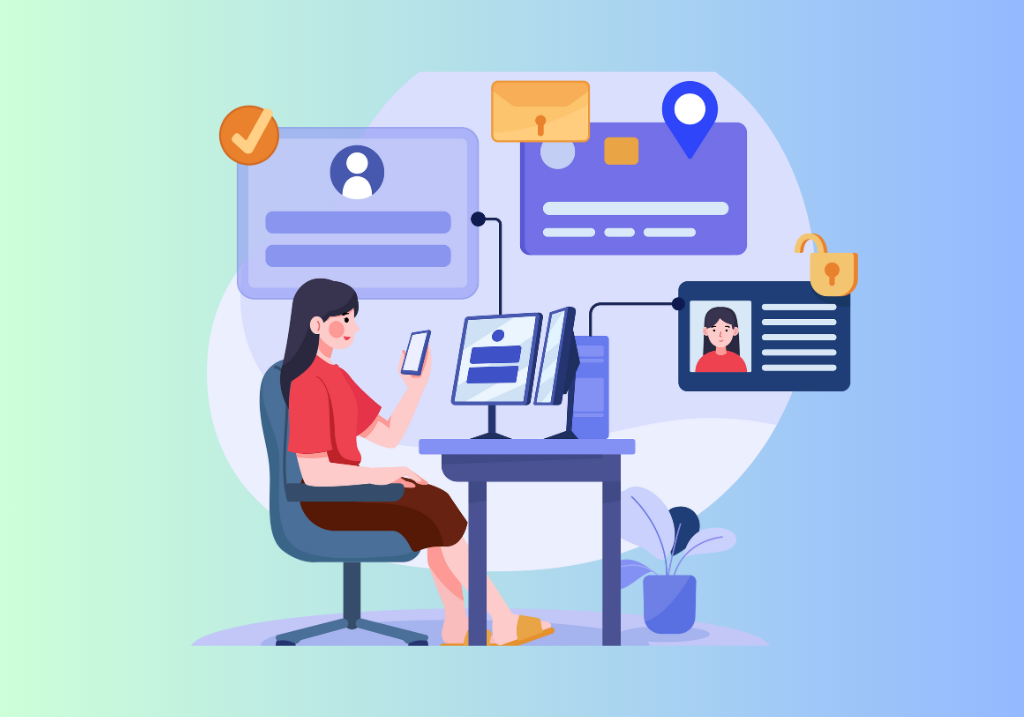
We live in a digital era where the world has become a global village. The physical distance is no longer a barrier. Thanks to technology, we are now so closely interconnected that no one would have thought a few decades earlier. We are free to order goods online, communicate with our friends, work from home, and share information about ourselves on social networking sites from the comfort of our homes. Each one of us interacting with the online world has a unique set of features that differentiates us from others, which is called a digital identity. As an individual or as an organization, you need to protect your digital identity.
Although technology is convenient, it also invites grave online risks. This may result in the loss of money and emotional strain, or even identity theft. The first step to safety is to understand these threats. Many people have no idea they were at risk.
This article is not about fear; it is about empowering you. The power to protect your digital self. Let’s explore the genuine online risks that threaten us and discover how to safeguard your most invaluable treasure: your digital identity.
This blog aims to empower you to protect your digital identity by exploring online risks and how to safeguard what matters most.
Learning about frequent online dangers
Your Digital Life Is at Risk Even If You Don’t Realize It. Imagine, one morning, waking up, picking up your phone & having your bank account drained or your social media accounts taken out of your control. It may not sound acceptable, but it happens every moment. The statistics may surprise you, knowing that 9.7 billion accounts have been breached since the beginning of 2020. Further, US is on top of the list for breached accounts, where breached accounts (2004 — present) are 4,379,091,004, which is 19.1% of global breaches.
This clearly shows that Cybercriminals have turned the internet into their playground. Whether it is a fake site or a download that is filled with malware, each click may be a problem. There are various forms of online risks.
Some risks are obvious, such as suspicious emails, some are less obvious, such as tracking cookies or unsecured networks. Hackers usually exploit poor passwords or outdated software that is not regularly updated to infiltrate personal accounts.
With technological advancements, attackers also alter their methods of attack. They will be able to steal your identity, get access to bank accounts, or abuse the private information. Frequently, users remain unaware of any breaches until it is too late and the incidents have occurred. Understanding the functioning of cybersecurity and protecting your digital identity minimizes these risks.
Why Your Online persona is important
Why is protecting your digital identity essential? It is everything about you online, your email, bank logins, shopping habits, browser’s search history, social media accounts, stored passwords, and even the apps you interact with and download. The loss of control over such data can become detrimental. It provides hackers with everything they require to steal from you or carry out fraud.
One of the cyber crimes that is rapidly increasing is identity theft. Once a person gets access to your personal information, they can open credit cards, take loans, or even commit crimes using your name. Securing your online identity is more than privacy. It is taking care of your money, your reputation, and your emotional self.
Here are some of the Online Risks Threatening you, and as a result, you need to protect your digital identity.
Phishing
Phishing is one of the most common threats to identity theft today. These are attacks that dupe users into surrendering sensitive details. Fraudsters usually use false emails that appear genuine. They can request you to confirm your bank account or change your password. These links may install malware on your computer or direct you to phony sites when clicked.
Social engineering attacks
Another less obtrusive technique is social engineering. Hackers learn the behavior of users and set traps for their habits. They may disguise themselves as a friend, boss, or even a company representative. The scams are successful as they exploit human feelings such as fear/trust/urgency.
The Risks of Using Public Networks and Devices
A great number of individuals use the open Wi-Fi connections at cafes, airports, or libraries. These networks are usually unsecured, although very convenient. It is easy for hackers to intercept data being transmitted through such connections. That is why it is not safe to log in to accounts, check emails, or view bank details when using a public network.
Weak or Reused Passwords
Your password is the first thing hackers exploit to steal your digital identity. Using a repeated password or the same password across multiple accounts or using a guessable password like a date of birth, etc, can jeopardize your identity on the internet.
Data privacy in online safety: its role
Digital identity protection centres on data privacy. All sites, applications, or Internet services gather information on the user. This entails location information, browsing history, and even voice recordings. In the absence of appropriate controls, your personal information can be posted, sold, or pilfered.
Privacy of data is about careful sharing of information on the internet. Your personal data can be exposed when you post too much information on social media, visit websites that are not secured, or accept every cookie. Strict rules should be adhered to by governments and companies, yet users can also contribute to the security of their information.
The Ways Social Media Makes the Web More Dangerous
A significant source of digital threats has been established as social media. It invites the users to post life updates, locations, and personal opinions. Although this establishes a connection, it also provides cybercriminals with information about your habits, interests, and identity. They can utilize this to create persuasive scams.
There are also fake profiles and friend requests. Suspicious links or attachments from unknown sources introduce malware. It’s essential to adjust your privacy settings accordingly and connect only with individuals you trust. Taking these precautions significantly reduces your risk of infection and protects your personal information. Not being naive on the Internet does not equal being alone- it equals being prudent.
Malicious Apps and Extensions
Every day, we come across free apps and browser extensions while surfing the internet. No doubt, some are very assisting and may seem appealing. However, sometimes, they often come with hidden dangers. Many of these tools silently gather your data, quietly track your online behavior, or even, in some cases, install spyware without your permission. This can lead to significant privacy issues and security risks. So it is essential to carefully evaluate the trustworthiness of any free software before downloading or installing it. Before making any decisions to install any free apps and extensions, it is crucial to thoroughly verify reviews from multiple sources. Take your time to research the developer behind that app or product. Also very important to consider examining their reputation and track record. Additionally, evaluate whether the features they provide truly justify the potential risks to your data and privacy. Consider how these features align with your needs and the security measures in place to protect your personal information.
Key strategies to protect your digital identity from online risks
Enhancing Your Cybersecurity
Awareness is the beginning of good cybersecurity. Most of the identity thefts are due lack of awareness. Most of the time, you as an individual or fall prey to hackers just because of the fact that we should also make sure that we are using strong and distinctive passwords on each account. These can be managed with the aid of tools such as password managers. It is also necessary to keep your devices and software up-to-date. Such updates frequently fix recognised security problems.
With two-factor authentication, there is an additional security level. Even when a person steals your password, he or she will not be able to log in to your account without the second code. Using a secure Wi-Fi connection, encrypted messaging apps, and firewalls can help reduce exposure to online risks.
There are also dangers in shared computers. Installing Keyloggers or spyware may protect them. Always log out of your account and never save your passwords on devices that are not yours. Deleting browser history and cache will lower the possibility of data leakage and identity theft.
Security of Personal and Financial Data
Cybercriminals are after your financial information. It is your priority to secure Online banking information, credit card numbers, and digital wallets. You need to ensure that to use Official apps or websites, particularly in making financial transactions. To be sure that a site is safe, look at the padlock icon in the browser.
Do not send sensitive information via email or chat unless it is encrypted. Monitor your financial accounts and notify any unusual activity as soon as possible. Fraud alerts or identity monitoring are provided by a lot of banks. These controls can assist in identifying the threats beforehand and contain the damage.
Monitoring and Managing Your Online Presence
Defending your digital identity implies being in charge of your presence on the Internet. Google your name and determine what others can find out about you. Delete or revise any of the outdated or dangerous material. Browser and apps privacy tools allow you to manage the sharing of data.
Lots of sites offer you to download your data and manage permissions. This is to demonstrate the utilization of your information. Periodic monitoring will minimize the risks of abuse. Simple steps, like not to use removing accounts or restricting the permissions of apps, also help to improve security.
Key things to consider for digital safety
To help keep your identity safe from online threats, here are some simple and friendly steps you can follow. Staying alert and taking these measures will help you protect your personal information and enjoy your online experience with confidence!
1. Password Manager:- Password Manager can ease your tension of remembering passwords. For example, tools like Bitwarden or 1Password create strong, unique passwords you don’t have to remember.
2. Turn on Two-Factor Authentication:- It adds an extra layer of security. So, even if someone steals your password, 2FA adds an extra barrier that hackers can’t easily break.
3. Avoid Clicking Suspicious Links:- If something feels off, don’t click. When in doubt, go directly to the website instead of using a link.
4. Lock Down Your Social Accounts:- Transform your profiles into private sanctuaries, and pause to think before revealing personal details like your location or the names of your loved ones. Your privacy deserves protection.
5. Use a VPN on Public Networks:- To overcome the hidden threat of a public Wi-Fi, a VPN can save you as it encrypts your traffic and keeps hackers restricted when you are on hotel, airport, or cafe Wi-Fi.
6. Audit Your Apps & Permissions:- Check what apps are installed, what data they access, and uninstall anything suspicious.
7. Check If You’ve Been Compromised:- Use free tools like HaveIBeenPwned to see if your email or passwords have been leaked.
Digital Security of Tomorrow
Online threats will continue to increase as more people adopt technology. Cybersecurity is going to evolve with the assistance of artificial intelligence and automation. These tools can enhance security, but at the same time, abuse from attackers also increases. Being knowledgeable is your most appropriate defense.
A safer internet requires the effort of governments, technology organizations, and individuals. The important thing is education. Individuals should train to detect threats and react to them. The idea of cybersecurity needs to become our daily conduct in the digital world, not a response we consider after an intrusion.
Last words
The potential of the internet is limitless, yet it can also present genuine threats. The first step to establishing good digital practices is to be aware of the dangers that exist online. How you navigate the digital world impacts your identity, privacy, and financial security. Utilize secure tools and keep them updated, and before you click, think.
Securing your online identity is a lifetime process. This is not only a question of the right software, but it is a question of smart choices. By being properly informed and taking precautions, one may enjoy all the benefits of the online world and keep threats away.



Pingback: What is the highest risk of keeping your passwords in a document on your computer -