
Introduction
Top 5 Cyber Threats To small businesses grew even more dangerous in 2025. The techniques used by cybertrials change as the technology changes. Small businesses tend to be ill-equipped, and the protection is on a high level. They continue to be the most preferred targets of attack. This exposed customer data, financial information, as well as business reputation to dangers.
The knowledge of emergent threats is important in operating in the digital world. These dangers are not only of a technical nature but also psychological and financial. Even a mere information leakage will cost thousands or close down a business altogether.
Increase in AI-based phishing Attacks
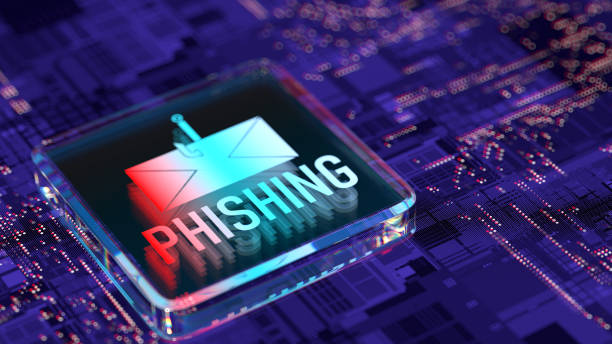
Phishing with the help of AI tools reached a worrying level. Artificial intelligence has enabled hackers to create sets of emails to appear real. Such emails go around conventional filters and deceive employees. They are capable of posing as vendors, clients, or internal workers.
One click on a malicious link provides attackers with access to systems. These more intelligent phishing attacks are part of the Top 5 Cyber Threats Targeting Small Businesses. They take advantage of mistakes made by human beings and trust. To address this emerging risk, small corporations should learn to train their employees on a regular basis and invest in intelligent email security tools.
Ransomware: The Ever-Changing Menace
Ransomware has become a great threat to all businesses, irrespective of size. The ransomware attacks are more precise, quicker, and disastrous in 2025. Cybercriminals also use files that are common in businesses, encrypt them, and then request payment in cryptocurrency to get the files back. Intruders exploit vulnerabilities in software that is old or bait employees into installing malware.
These ransomware events are included in the Top 5 Cyber Threats Targeting small operations which usually bring to a halt critical operations. Never paying the ransom does not mean that there will be recovery. That is why you need to have safe backups, endpoint protection, and fast response plans.
Remote Work Infrastructure Attacks on a Cloud Basis
As more companies begin to conduct business in hybrid forms, there is an imperative in cloud security. Attacks on collaboration tools, storage services, and cloud applications are the new targets of hackers. Improperly configured cloud settings make sensitive data available. Hackers use inefficient passwords and the absence of two-factor authentication.
The Cloud vulnerabilities have been added to the Top 5 Cyber Threats targeting small enterprises. It is within the responsibility of business owners to inspect cloud setups. Cloud providers have inbuilt security, which users will have to activate and track. Failing to observe this duty raises the prospect of data leakages.
Insider Employee and Vendor Threats
Insider threats can be easily ignored, but they are quite risky. They can be handed by dissatisfied workers or inconsiderate suppliers. Intentionally or not, internal activities are a potential cause of breaching business data. Doing down downloads, unpermitted access, and inappropriate transferring are a serious issue.
The top 5 Cyber threats to a company in the year 2025 do not only comprise external hackers, but also internal mismanagement. Appropriate controls of access, auditing, and monitoring of employees are also important defense mechanisms. Businesses should also be able to create a culture of cybersecurity awareness among every team member.
Software vulnerabilities and Supply Chain Attacks
Small enterprises rely on third-party services and software in their everyday activity. These supply chains are now the targets of cybercriminals. A single vendor breach can open windows for the rest of the businesses. Hackers are incorporating viral codes into new software injections, and this disrupts thousands of users.
The top 5 Indirect but very effective cyber threats to small organizations are given as follows. It is essential to make sure that vendors comply with cybersecurity requirements. The continuous updates of software, code review, and third-party risk assessments can minimize the exposure.
Value of Cybersecurity Culture
Don’t regard Cybersecurity as an IT problem; rather, regard it as a culture in a company. Defense roles should be understood by the owners, the managers, and the employees. Regular training, updating of policy, and awareness make a difference.
The relevant aspect of the Top 5 Cyber Threats Targeting small companies is that businesses should develop proactive habits as the cyber threats evolve. Examples of these include the use of strong passwords, prudent use of emails, and sharing files securely. The lack of a security culture even among the best of the tools can result in failure.
The Place of AI in Defending Strategies
Hackers are not the only people using AI. They include employing AI-based defense tools by small businesses. They identify malicious actions and hindrance of suspicious activity and offer threat intelligence. The use of AI allows handling of large amounts of data and detection patterns that people cannot notice.
The use of AI enhances a faster response time and cybersecurity position. To better fight the Top 5 Cyber Threats to small businesses, the use of AI in everyday activities is getting more and more crucial.
Economic Effect of Computer Breaches
The cost of a cyberattack is high. This is because data breaches may attract legal fines, loss of customers, and reputation. The insurance might cover some expenses, but it will never be painless and fast. There are the Top 5 Cyber Threats Targeting small firms that can erase years of progress.
A hacking attack could compel a company to close its operations. It might look like an extravagant investment in cybersecurity at first glance, but it is less costly than coping with the breach. The most competent financial strategies are prevention, early detection, and planning.
Law Regulation and Legal Obligation

Cybersecurity laws are changing at a high rate among governments. Businesses have to now adhere to data protection policies such as the GDPR and other such local policies. Violation of these standards is met by fines and court charges. In cases of small companies, it is difficult to meet compliance requirements. However, it is a hazard to ignore them.
Non-compliance is a position as Top 5 Threat to modern businesses. The hiring of cybersecurity consultants or legal advisors can assure you of good cybersecurity practices. The trust and sustainability require it, not to mention that it is no longer optional.
Conclusion
Cyber threats will become more complex in 2025 and onwards. The small businesses should be well informed, cautious and ready. The trick is resilience for quick recovery from incidents. Cybersecurity is a process. Technology is dynamic thus defenses should be dynamic.
It is important to build layered security, remain in compliance, educate employees, and increase updates. The first step is becoming acquainted with the Top 5 Cyber Threats that have targeted small businesses. The implementation of such knowledge establishes the base of a safe and prosperous future.