


Digital banking has brought the banking industry into the palm of your hand. Now, Digital banking offers increased convenience and accessibility. However, this growth also exposes banks to compounded cybersecurity risks. Protecting data and information is crucial to maintaining customer trust and preventing financial loss. But with increased accessibility comes a rising tide of cyber threats. As a result, financial institutions need to adopt digital-first strategies. That’s why cybersecurity in digital banking is no longer optional—it is essential for survival.
Cybercrime is getting more expensive by the minute. According to Cybersecurity Ventures, the global cost of cybercrime is expected to grow by a staggering 15% each year, skyrocketing from $3 trillion in 2015 to an estimated $10.5 trillion annually by 2025. That’s more than the entire GDP of some of the world’s largest economies! Whether you are an individual or a business, like a digital bank or financial institution, this sharp rise highlights just how crucial cybersecurity has become in protecting what matters most to you while working with a digital bank. This is how data privacy and security concerns come first when operating in the digital world.
With this surge in attacks targeting sensitive data and funds, it’s time to take a proactive approach. Failing to prioritize cybersecurity can expose digital banks to devastating financial setbacks and tarnish their reputations. It is essential to adopt robust security practices to protect against these potentially dire consequences.
Here are the top 6 best cybersecurity practices in digital banking to keep your customers, reputation, and bottom line safe.
1. Strong Customer Authentication (SCA) for cybersecurity in digital banking
The Payment Services Directive 2 (PSD2), enacted through Directive (EU) 2015/2366, aims to strengthen the regulation of payment services in the European Union. It modernizes the original Payment Services Directive from 2007 by implementing rules designed to enhance consumer protection, stimulate competition, and foster innovation. Under PSD2, banks must allow third-party providers access to customer account information with consent, promoting a more competitive payment environment.
Further, under PSD2, the European Banking Authority (EBA) formulated standards for strong customer authentication and secure communication known as Regulatory Technical Standards (RTS). It focuses on keeping consumers safe and ensuring everyone has a fair chance in the ever-evolving financial technology landscape. To do this, it introduces security guidelines for payment service providers, including banks and financial institutions, as they process payments and offer related services.
Practically, the EU’s PSD2 regulation promotes Strong Customer Authentication (SCA). It requires at least two factors to verify users:
- Something you know (password)
- Something you have (device)
- Something you are (biometric)
The digital banks and partners are encouraged to use tools like app-based authenticators or biometrics for stronger, faster verification to avoid any data breaches and privacy concerns.
2. End-to-End Encryption
Encryption intends to convert data into an unreadable format called ciphertext. This process uses an algorithm and a key to code data into a ciphertext. The aim is to ensure your data is protected during transmission from both the customer’s and the bank’s perspective, and no one decodes it until it reaches the authorized receiver. The unencrypted data poses a cyber threat as it gives free rein to hackers to access and manipulate it, resulting in financial and reputational loss for the digital bank and its customers.
Banks and financial institutions are encouraged to use encrypted data as a cybersecurity measure to safeguard against cyber threats. Even if a cybercriminal accesses encrypted data, it is hard to decipher it. Only intended receiving partners having the key with which the data is encrypted can decode the ciphertext and get the original data.
Action Steps for the banks to be digitally safe:
- Use AES-256 encryption across all communication channels.
- Encrypt data both in transit (via SSL/TLS) and at rest.
- Implement hardware security modules (HSMs) for key management
3. Cybersecurity Training for Employees
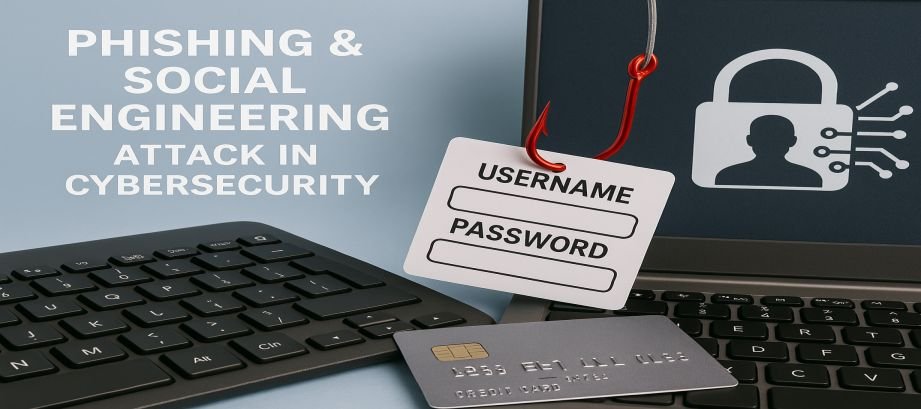
Ignorance is the key factor contributing to data privacy breaches in the field of cybersecurity. Hence, human error is the most common entry point for attackers as hackers can exploit humanistic mistakes easily. Techniques like phishing, social engineering, weak passwords, or insecure devices can result in harmful results for digital partners.
Why it matters:
Like any other field, training is the key to success to implement any changes or adapt to a new system, so is the digital world and hence digital banking is no exception. Training builds a first line of human defense against such mistakes. The employees of the banks should recognize that any mistake can give hackers free rein to manipulate secret data. As a result, this can result in harmful consequences for customers, banks, and employees, both financially and reputationally.
World Economic Forum notes that 95% of cybersecurity issues are caused by human error.
Action Steps:
- Run monthly phishing simulations.
- Conduct regular, interactive workshops.
- Update training based on new threats (e.g., AI-powered phishing).
Additionally, Access control management is crucial for cybersecurity in digital banking. It defines employees’ role-based access to the system and data. This concept of the principle of least privilege restricts the damage that may be caused. Each employee has access to the system and data as per their assigned role. Access control is the biggest challenge in digital banking. Successfully implementing access control can protect banks from data breaches and ultimate data loss. Therefore, access control management should also be part of employees’ training.
4. Cybersecurity Audits
Think of a cybersecurity audit like a regular health check-up, except for your bank’s digital systems. Just as you would want to catch health issues early by protecting against major consequences, a cybersecurity audit helps uncover hidden vulnerabilities before hackers do. It’s one of the smartest—and often overlooked—ways to stay ahead of evolving threats in digital banking.

In today’s fast-paced financial world, where data breaches and ransomware are becoming alarmingly common, routine audits are non-negotiable. They assess how secure your infrastructure really is by reviewing:
- Network defenses (like firewalls and intrusion detection)
- Access controls and authentication practices
- Compliance with industry standards (such as ISO 27001 or PCI DSS)
For digital banks, regular audits ensure that security policies are effective in practice, not just on paper.
Why it matters? Because catching one overlooked misconfiguration or outdated patch could mean the difference between business as usual and a million-dollar breach.
To maintain objectivity, audits should be conducted by independent experts instead of internal teams. This ensures a clear and unbiased perspective on the status of your systems.
Cybersecurity checkups are essential, much like health check-ups by specialists. So, if you wouldn’t skip your doctor’s check-up, don’t skip your cybersecurity audit. Your digital trust depends on it.
5. Transaction Monitoring: Keeping an Eye on What Matters
Have you ever gotten a message from your bank asking, “Was this you?” right after a purchase? That’s transaction monitoring at work—one of the most important tools in digital banking security. Even in the traditional banking process, we come across the concept of CBC, or Call Back Confirmation, from a customer which is a security step banks use to double-check large or unusual transactions—especially when the transaction raises a red flag or doesn’t match your typical behavior.
So, transaction monitoring does fraud prevention, customer protection, and build trust realizing you that your bank care about you even if takes an extra step.
Similarly, a transaction monitoring system learn your habits: where you usually spend, how much, and when. So if something unusual pops up—like a big transaction from another country at 3 a.m.—it sends up a red flag. Banks use smart technology like AI to analyze user behavior in real time, spotting anything that looks wrong. It’s like having a 24/7 security guard for your account who knows your routine and can tell when something’s off.
What this means for you:
- You’re better protected without needing to do a thing
- Suspicious activity is caught before it hurts your finances
- You can bank with confidence, knowing someone’s got your back
In short, transaction monitoring is digital peace of mind working in the background, so you don’t have to worry about your data privacy following basic precautions.
6. Incident Response Plan
An effective Incident Response Plan (IRP) is a must-have in digital banking cybersecurity. Think of it as your bank’s emergency protocol for cyberattacks—an organized approach to detecting, responding to, and recovering from security breaches. With threats like phishing, ransomware, and data breaches constantly evolving, having a well-tested IRP can mean the difference between a minor scare and a full-scale crisis.
The key to a strong IRP is preparation. It should clearly define roles, communication channels, and containment, eradication, and recovery steps. It clearly outlines who does what, when, and how. Whether it’s the bank IT expert isolating a threat, a communication team reassuring customers, or leadership making quick decisions, everyone knows their role. When seconds matter, clarity saves time—and trust.
Most importantly, an IRP shows your customers you care. It’s a promise that if something ever goes wrong, you’re ready to protect their information and peace of mind. And in banking, that trust is everything. Cyber threats change rapidly, so your response plan needs to keep pace. Treat it as a living document—review and test it regularly to ensure it reflects current risks and technologies.
Conclusion
At the heart of digital banking is trust, because of it, people trust their money, data, and peace of mind with you. Cybersecurity involves more than just technical tools and checklists; it’s about demonstrating to your customers that you truly care about safeguarding what matters to them. These best practices aren’t just strategies, but they are promises. When you stay prepared, stay alert, and put people first, you are not just securing systems; you are building confidence and long-term relationships. That’s the real value of strong cybersecurity.




Pingback: Best Cybersecurity Practices for Working Remotely -